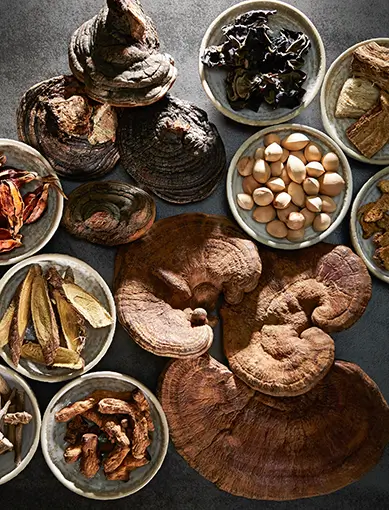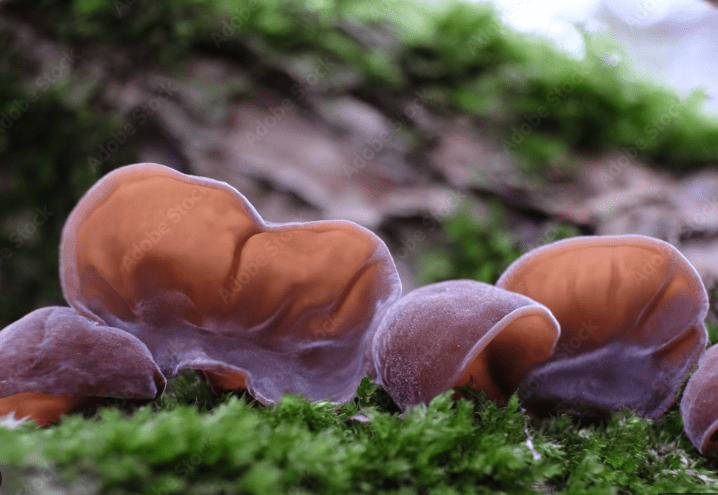
Auricularia spp., known locally as “wood ear”, is a unique edible and medicinal mushroom, considered one of the oldest cultivated mushrooms in the world. In Asia, it has been used for centuries in both culinary and traditional medicinal applications. Its crunchy texture and neutral flavor make it a popular ingredient in soups, salads, and stir-fry dishes.
Bioactive Compounds
Auricularia contains several important compounds that have been the focus of research:
Polysaccharides, mainly beta-glucans, classified as dietary fibers,
Phenolic compounds with antioxidant properties,
Proteins and peptides,
Minerals and vitamins (e.g., iron, potassium, vitamin B2).
Among the polysaccharides, those influencing fat metabolism and blood circulation have been particularly studied.
Research
Studies have shown that the bioactive compounds in Auricularia spp. can:
- positively affect the cardiovascular system by regulating fat metabolism, lowering cholesterol levels, and supporting healthy blood circulation (Chen et al., 2008),
- act as antioxidants (helping to neutralize free radicals) (Cheung, 2013) and prevent blood clot formation (Chen et al., 2008a),
- support the immune system and sugar metabolism (Wasser, 2010).
While these results are encouraging, it is important to note that research is still ongoing, and Auricularia spp. is primarily used as a food and dietary supplement, not as a medicine.
Traditional Use
In traditional Chinese medicine, Auricularia was often recommended as a mushroom that supports blood circulation and overall vitality. It was commonly added to daily meals as a light, nutritious food contributing to a balanced diet.
Modern Use
Today, Auricularia spp. is appreciated mainly for its dietary fiber content, easy digestibility, and its ability to enhance culinary dishes. As a dietary supplement, it is a popular choice for those wishing to enrich their diet with mushrooms that have a long history of traditional use.
Research Sources and Further Insights:
- Effect of polysaccharide from Auricularia auricula on blood lipid metabolism and lipoprotein lipase activity of ICR mice fed a cholesterol enriched diet PubMed
- Dietary supplementation of Auricularia auricula-judae polysaccharides and obesity model PMC
- Antihyperlipidaemia and hepatoprotection from residue polysaccharides PubMed
- Medicinal mushroom overview on Auricularia uses ResearchGate
- Antioxidant capacity of fruit bodies and mycelium of Auricularia Auricula-judae PubMed